


Endometriosis
How Nutrition Can Support Endometriosis
Endometriosis diet tips with anti-inflammatory foods, antioxidants and gut-friendly nutrition for symptom support
 Lisa Hughes
5 min read
Lisa Hughes
5 min read

The short answer
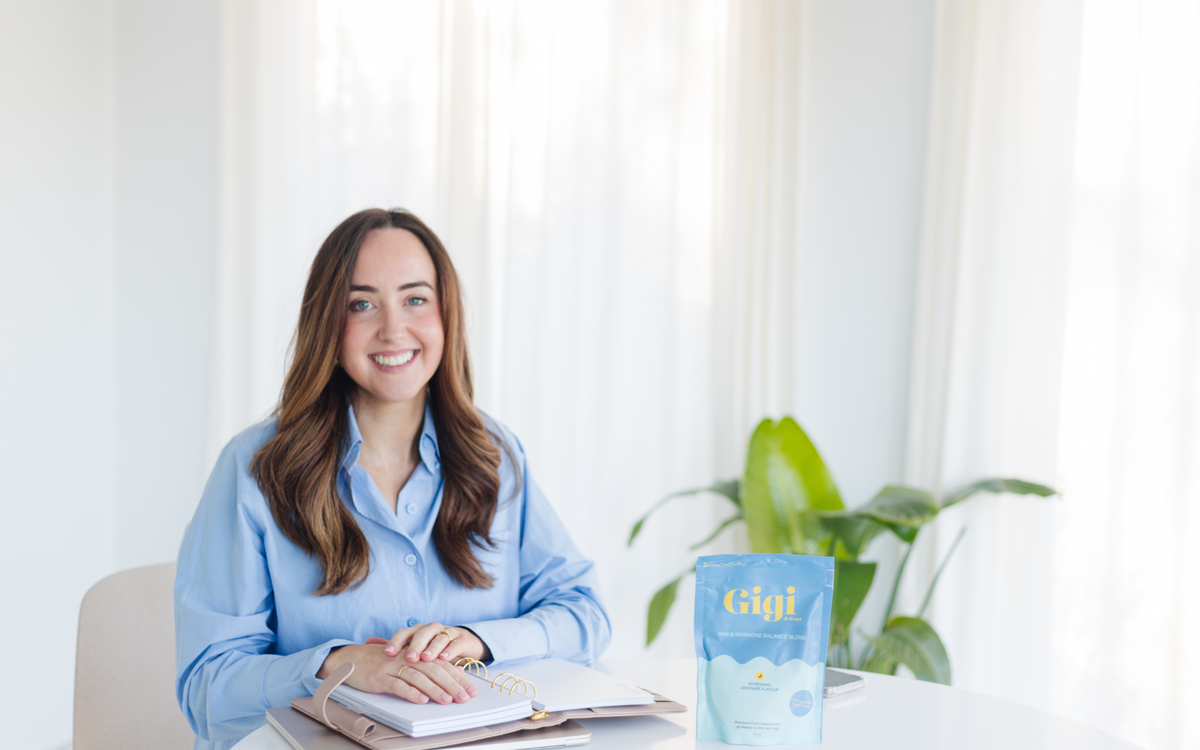
Co-founder and Nutritional Therapist Lisa is now eight months postpartum with her second daughter. With the benefit of experience, she’s sharing the three things she wishes she could tell herself the first time.
During pregnancy, most women are hyper-focused on doing everything “right” – eating well, taking supplements, moving their bodies and preparing for baby’s arrival. And rightly so.
But what often gets overlooked is that your body doesn’t stop needing support once baby arrives. In fact, the postpartum period (sometimes called the fourth trimester) is one of the most nutritionally demanding times in a woman’s life.
Your body is:
Recovering from pregnancy and birth
Potentially producing breast milk
Running on fragmented sleep
Navigating major hormonal shifts
From a physiological standpoint, this is not the time to deprioritise your own nutrition and recovery. Continuing the same nourishing habits like balanced meals, targeted supplementation, gentle movement and adequate hydration helps support:
Think of postpartum care not as an optional extra, but as essential maintenance for a body that has done something extraordinary.
After childbirth, your body enters an intensive repair phase. Blood loss, tissue stretching, inflammation and hormonal fluctuations all increase your nutrient requirements. Prioritising nutrient-dense, high-quality foods gives your body the raw materials it needs to recover efficiently.
Key nutrients include:
One of Lisa’s simplest recovery habits was her daily postpartum smoothie. Lisa had this smoothie every day after giving birth. It’s packed with protein, healthy fats, fibre and targeted micronutrients to help support mood, sleep, energy and physical recovery.
Your body goes through so much during the nine months of pregnancy, labour and everything that comes after — from breastfeeding and broken sleep to the deep recovery your body needs. That’s why this smoothie is designed to help replenish and support your body through postpartum healing.
🍓 Frozen berries
🍍🥝 Frozen pineapple or kiwi
🥄 1 tbsp chia seeds
🌿 Collagen peptides
🍋 Vitamin C powder
🥛 1 serving plain kefir
🐄 1 serving colostrum powder (optional)
🌾 Handful of oats
💧 Water
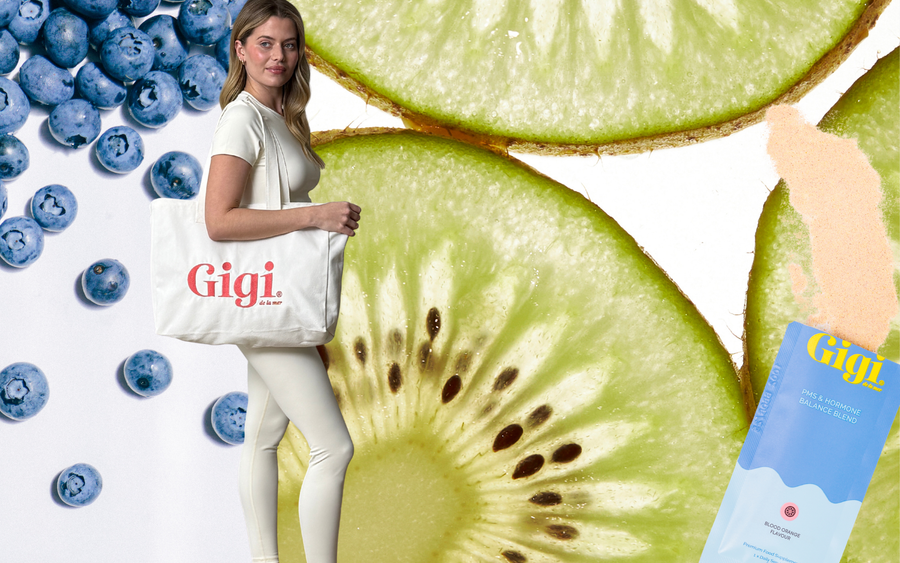
💛 Daily scoop of PMS & Hormone Balance Blend
Frozen berries, pineapple and kiwi provide vitamin C, antioxidants and fibre to support immunity, reduce inflammation and aid digestion. Chia seeds are rich in omega-3s, fibre and plant protein, helping to stabilise blood sugar and support sustained energy. Collagen peptides supply key amino acids needed for rebuilding skin, joints, muscles and connective tissue, while vitamin C powder enhances collagen synthesis and adds an extra layer of immune support. Oats deliver slow-release carbohydrates for steady energy and may help support milk supply if breastfeeding. Plain kefir acts as a probiotic powerhouse, helping to restore gut microbiome balance, particularly if antibiotics were used during birth. Colostrum powder (optional) provides additional immune and recovery support in the early postpartum weeks. Finally, Gigi’s PMS & Hormone Balance Blend brings everything together with a comprehensive mix of vitamins and minerals — including vitamin D, magnesium and B vitamins — to support mood, energy and hormone recovery in the fourth trimester and beyond.
Postpartum can come with a lot of noise. Everyone from family and friends to social media, everyone has advice, suggestions and “must-try” solutions. While most of it comes from a good place, it can quickly become overwhelming.
Lisa’s biggest mindset shift the second time around was this: no one knows your baby better than you do. From a stress-management perspective, constantly second-guessing your instincts can increase maternal anxiety and cognitive load – both of which can impact recovery, sleep and overall wellbeing.
Tuning into your own observations and instincts helps you:
Of course, professional support is important when needed. But day to day, your lived experience with your baby is powerful data.
Postpartum recovery isn’t just about getting through the newborn phase – it’s about actively supporting your body as it heals, rebalances and adapts. Nourish yourself well. Prioritise recovery. Trust your instincts. Your body (and your future self) will thank you 💛
Endometriosis
Endometriosis diet tips with anti-inflammatory foods, antioxidants and gut-friendly nutrition for symptom support
Lisa Hughes
5 min read
Fertility
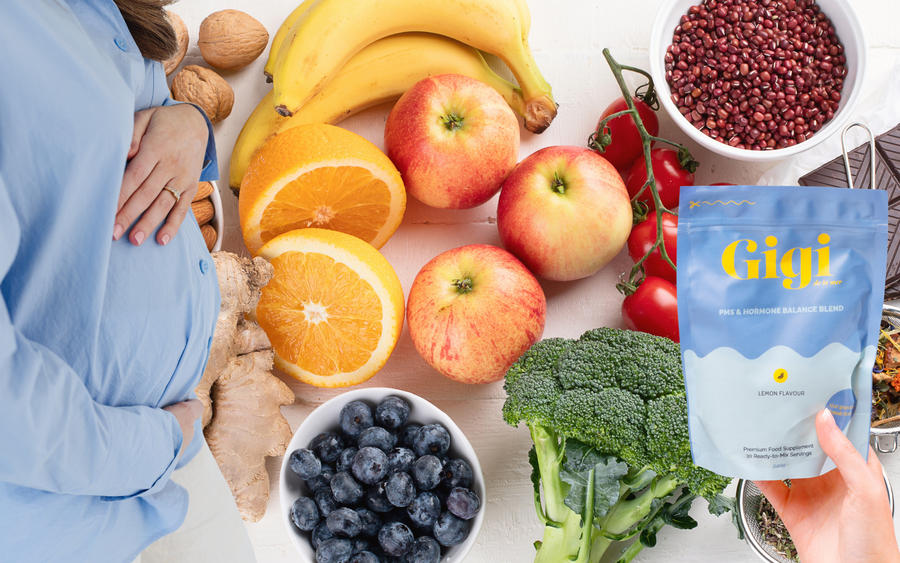
Antioxidants like Vitamin C, Selenium, Zinc and Carotenoids help protect your eggs, support hormone balance and reduce oxidative stress. Including these nutrients in your diet can...
Lisa Hughes
5 min read
Gut Health
Not all processed foods are bad! Some are essential for safety, nutrition and convenience – like pasteurised milk, canned beans or fortified staples. The real issue...
Lisa Hughes
4 min read