When you're trying to conceive (or even just thinking about it for the future), you’ve probably heard about hormones, ovulation tracking and folate.
But fertility isn't just influenced by just one or two factors. There are many influences that affect both our fertility and hormone health – including lifestyle, stress, environmental exposure and, of course, diet.
What many people don’t realise is that antioxidants play a powerful role in supporting fertility and overall reproductive health. By helping to protect our cells from damage and reduce oxidative stress, these nutrients can create a more supportive environment for healthy eggs, balanced hormones and optimal conception.
What is an antioxidant?
An antioxidant is a compound that protects your cells from damage caused by unstable molecules called free radicals. Free radicals are unstable molecules that can form as a result of many processes inside and outside the body.
For example, your body naturally produces free radicals as a byproduct of normal cellular metabolism. They can also come from external sources, like air pollution, smoking and diet, or be created by the body in response to these factors.
The problem? High levels of free radicals can cause oxidative stress (aka inflammation), which can damage DNA, cell membranes and other vital parts of your cells. This is especially important for fertility, since healthy eggs and embryos rely on intact, undamaged cells.
This is where antioxidants come in. By neutralising free radicals, antioxidants help reduce oxidative stress, supporting egg health, hormone balance and overall reproductive function.
What do antioxidants do in the body?
Antioxidants are like your body’s cellular defenders. Their main job is to neutralise free radicals, helping to prevent the damage these unstable molecules can cause.
By protecting your cells from oxidative stress, antioxidants:
In short, antioxidants help your body stay in top shape at a cellular level, which is exactly what you want when trying to conceive.
Why are antioxidants important for female fertility?
Female fertility depends on the health of your eggs, hormones and reproductive system – and antioxidants play a key role in keeping all of these in balance.
Oxidative stress, caused by an excess of free radicals, can affect:
-
Egg Quality: eggs are highly sensitive cells. DNA or cellular damage can affect maturation, fertilisation, embryo development and implantation.
-
Hormonal Imbalances: oxidative stress may disrupt ovulation and menstrual cycle regularity.
-
Embryo Development: protecting DNA and cell membranes supports successful conception and implantation, influencing both IVF success and natural conception.
By neutralising free radicals, antioxidants help create a healthier environment for your eggs, hormones, and embryos, giving your body the best chance for conception.
Key Antioxidant Nutrients for Female Fertility
Vitamin C
Vitamin C is a powerful antioxidant that helps protect eggs from oxidative stress and supports healthy hormone function. It also enhances iron absorption – another nutrient that’s important for reproductive health.
Vitamin C is widely available in foods, making it easy to include in your daily diet. You’ll find it in a range of fruits and vegetables:
- Citrus Fruits, Strawberries, Kiwi
- Broccoli, Brussel Sprouts, Cauliflower
- Peppers, Tomatoes
Selenium
Selenium is a trace mineral with strong antioxidant properties. It plays an important role in protecting cells and eggs from DNA damage, reducing inflammation and supporting thyroid function – which in turn helps regulate hormones.
Selenium is found in both animal and plant foods, including:
- Seafood
- Dairy
- Eggs
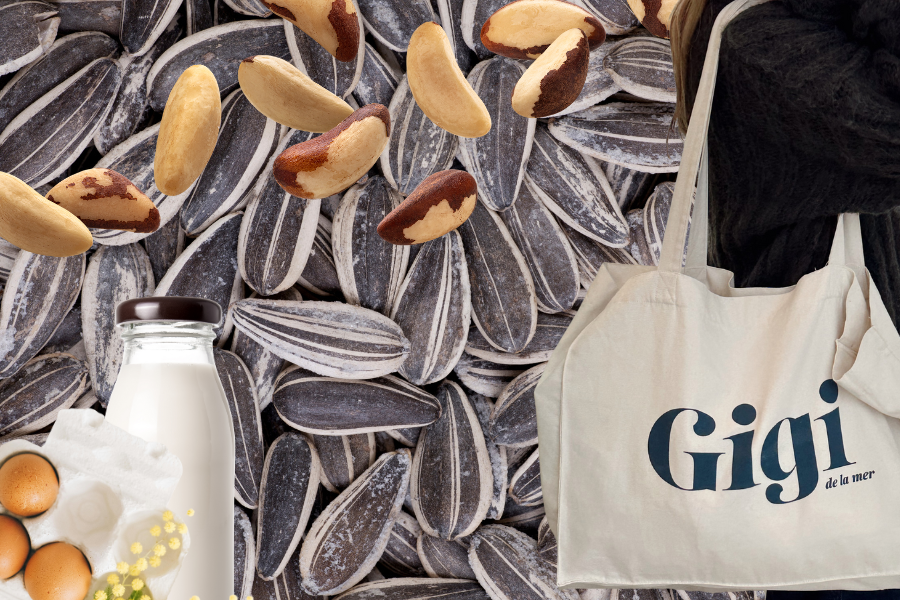
- Brazil Nuts
- Flaxseeds
- Lentils
Zinc
Zinc is a critical mineral for hormone production and egg health. It supports ovulation and hormone regulation, helps maintain healthy eggs and reduces oxidative stress at a cellular level. Zinc is also involved in early embryo development, making it an important nutrient for women trying to conceive.
Foods rich in zinc include:
- Red Meat, Poultry and Shellfish
- Legumes, Nuts, Seeds
- Wholegrain
Carotenoids
Carotenoids are plant compounds with powerful antioxidant properties that help protect cells from oxidative stress. They are responsible for the bright red, orange and yellow colours in many fruits and vegetables.
Some carotenoids, like lutein and zeaxanthin, are particularly beneficial because they accumulate in cells and help protect DNA and cell membranes from damage. This is especially important for egg health, as eggs are highly sensitive to oxidative stress.
Carotenoids also include compounds like beta-carotene, which can be converted into vitamin A in the body and support reproductive and immune function.
You can get carotenoids from colourful plant foods such as:
- Carrots
- Sweet Potatoes
- Spinach & Kale
- Red & Yellow Peppers
Antioxidants play a powerful role in supporting female fertility by protecting eggs, supporting hormone balance and reducing oxidative stress. Nutrients like Vitamin C, Selenium, Zinc and Carotenoids help create a healthier environment for your eggs and reproductive system, giving your body the best chance for conception.
The good news? Many of these antioxidants are easy to include through a balanced diet rich in colourful fruits, vegetables, nuts, seeds and quality proteins. Small, consistent changes can make a big difference at the cellular level – long before you even conceive.
Supporting your fertility isn’t just about one nutrient or one habit. It’s about giving your body the nutritional foundation, protection and balance it needs to support ovulation, egg health and early embryo development.




 Lisa Hughes
5 min read
Lisa Hughes
5 min read