


Gut Health
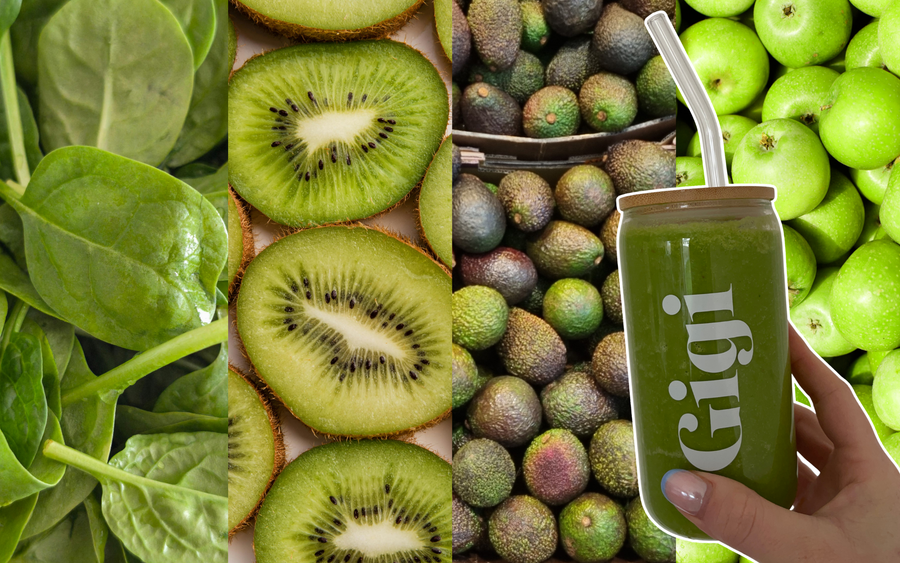
Gigi's Green Glow Smoothie
A refreshing, gut-loving green smoothie packed with fibre, prebiotics, minerals and collagen to support happy hormones and a healthy glow from within ✨
 Lisa Hughes
1 min read
Lisa Hughes
1 min read

The short answer
Ultra-Processed Foods (UPFs) are getting a lot of attention right now. From headlines to social media, they’re often painted as something we should fear or avoid completely. But like most things in nutrition, it’s rarely black and white.
“Processed” isn’t a simple good-or-bad label – it’s a spectrum. Some foods are processed to make them safe, accessible and even more nutritious, while others are designed purely for convenience and overconsumption. The real conversation isn’t about demonising every packaged item – it’s about understanding context, balance and how these foods fit into your overall diet.
One thing often missed in the ultra-processed conversation is that processing itself isn’t the enemy. In fact, many foods we rely on for safety, nutrition and convenience must be processed in some way.
For example:
🥛 Milk is pasteurised to kill harmful bacteria and make it safe to drink.
🫘 Chickpeas and beans are canned so they’re edible, digestible, and practical to use (because realistically, who is soaking legumes every day?).
🌾 Staple foods are fortified with essential nutrients like folic acid, iron, iodine, and B vitamins to support population health and prevent deficiencies.
These foods technically fall under processed categories – yet they play an important role in food safety, accessibility, nutritional adequacy and public health. This is why labelling all processed foods as harmful oversimplifies the science. The real concern isn’t foods that are processed for safety or nutrition – it’s those engineered to be hyper-palatable, easy to over-consume and low in real nutritional value.
Ultra-processed foods aren’t just foods that have been altered – they’re foods that have been heavily manufactured using ingredients you wouldn’t typically use in a home kitchen. Think refined starches, added sugars, industrial oils, flavour enhancers, emulsifiers, stabilisers and preservatives designed to improve shelf life, texture and taste.
They're often made to be:
This is where the health concerns start to come in. Not because they’re “packaged,” but because they’re designed to replace real food while encouraging you to eat more without feeling satisfied.
And when these foods become daily staples rather than occasional conveniences, that’s when they can start crowding out the foods your body actually thrives on.
Not all processed foods are created equal – it’s the pattern that matters most. There’s a big difference between eating UPFs as your daily staples versus having them occasionally as part of an otherwise balanced diet.
Daily staples might include sugary cereals for breakfast, takeaways most nights, packaged snacks throughout the day or energy drinks as your main beverage. When these foods replace whole foods consistently, they can crowd out fibre, vitamins and minerals your body actually needs.
Occasional convenience foods like a protein bar on a busy day, microwave soup when you don’t have time to cook or a sweet treat you genuinely enjoy – are far less concerning. Research shows health risks tend to increase when UPFs dominate the diet, not when they appear occasionally.
The goal isn’t perfection – it’s balance. Here are some simple, realistic ways to lower ultra-processed foods while keeping your diet enjoyable:
Upgrade, don’t eliminate: Swap flavoured yoghurts for plain yoghurt plus fruit (so nutrient dense!), sugary cereal for oatmeal or higher-fibre options, or crisps for nuts or popcorn. Simple swaps rather than cutting out.
Add more whole foods: Focus on what to include rather than what to remove – vegetables, fruit, whole grains, lean protein and healthy fats.
Use UPFs strategically: Convenience foods are fine – just don’t let them form the foundation of every meal.
Drop the guilt: One processed snack doesn’t undo your diet. Stress around food is worse for health than the occasional UPF.
This approach helps you build sustainable habits, reduces overconsumption, and keeps your overall diet nutrient-rich – all without demonising every packaged item.
Processed foods aren’t “bad” in themselves – they’re just foods that need to be understood in context. The real issue isn’t enjoying a snack or a convenience meal now and then, it’s letting these foods replace the whole, nutrient-rich foods your body thrives on.
The best approach? Focus on balance rather than perfection:
Eating well doesn’t have to mean cutting everything packaged out of your life. Small, consistent choices over time – rather than extremes – are what truly support your health and your lifestyle.
Gut Health
A refreshing, gut-loving green smoothie packed with fibre, prebiotics, minerals and collagen to support happy hormones and a healthy glow from within ✨
Lisa Hughes
1 min read
Gut Health
Discover why 30 plants a week is the new 5 a day. Boost gut health, hormones and energy with simple, practical ways to add more plant...
Lisa Hughes
5 min read
Gut Health
Fibre is more than just a digestion booster — it plays a key role in gut health, hormone balance, heart health, and even fertility. Despite its...
Lisa Hughes
7 min read