Periods come with a whole range of symptoms from bloating and cramps to mood swings, but hormonal acne is often one of the most frustrating (and visible) ones. Our skin is the body’s largest organ and it’s often the first place internal hormonal changes show up.
If you’ve ever noticed a breakout popping up a few days before your period, usually along your chin, jawline or cheeks – you’re not imagining it. Pre-period acne or breakouts are incredibly common, and it’s not because your skincare suddenly “stopped working”. It’s linked to your hormones.
What is hormonal acne?
Hormonal acne refers to breakouts that are triggered by natural hormonal fluctuations or imbalances in the body. It typically appears on the lower face (including the cheeks, jawline and chin), but can also affect the chest, neck and back.
While hormonal acne is most commonly associated with puberty, it can occur at many stages of life. For many women, breakouts are closely linked to changes in hormones throughout the menstrual cycle, particularly in the days leading up to their period, when shifts in oestrogen, progesterone and androgens happen.
What’s happening hormonally before your period?
In the days leading up to your period, your body moves through the luteal phase of the menstrual cycle. During this time, several key hormonal shifts occur – and your skin is highly sensitive to them.
Rising Progesterone
As progesterone levels increase, sebaceous glands can become more active, leading to increased sebum (oil) production. Excess oil can build up on the skin’s surface and within pores, making them more likely to become clogged. When this happens, inflammation increases – creating the ideal environment for pre-period acne to develop.
Oestrogen Drops
At the same time, oestrogen levels begin to fall. Oestrogen plays an important role in keeping oil production balanced and inflammation in check. As levels decline, the skin loses some of this protective effect, making it more prone to excess oil, sensitivity and breakouts.
Oestrogen also supports collagen production,as well as hydration and efficient wound healing – all of which contribute to clear, resilient, healthy-looking skin. When oestrogen drops before your period, the skin can appear duller, slower to heal and more susceptible to breakouts.
Increased Androgens
Even if androgen levels don’t actually rise, the drop in oestrogen before your period means androgens like testosterone have a stronger effect on the skin. Androgens stimulate sebaceous glands to produce more oil, which can lead to clogged pores and inflammation.
This is one of the main reasons why pre-period breakouts often appear along the jawline, chin and lower cheeks, rather than other areas of the face. Combined with rising progesterone and falling oestrogen, androgens create the perfect environment for those stubborn, inflamed breakouts that show up right before your period.
How lifestyle can affect pre-period breakouts
Hormones aren’t the only players in pre-period acne. Your lifestyle and daily habits can influence how strongly your skin reacts to these changes.
Stress & Cortisol
Cortisol, your body’s main stress hormone, can worsen hormonal acne by increasing oil production and inflammation while disrupting the balance of oestrogen and progesterone.
🍬 Blood Sugar & Cravings
Luteal phase cravings and blood sugar fluctuations can spike insulin, which in turn increases androgen activity, stimulating oil production and clogged pores.
Sleep & Recovery
Sleep is when your body regulates hormones, repairs tissue and reduces inflammation. Lack of quality sleep can slow the skin’s ability to heal from breakouts.
Lifestyle doesn’t cause acne – it modulates it. Things like stress, blood sugar swings, and sleep don’t create hormonal acne on their own, but they can make breakouts more frequent, inflamed and slower to heal. Supporting these areas helps your skin cope with natural hormonal shifts more gracefully.
Key nutrients to support pre-period acne
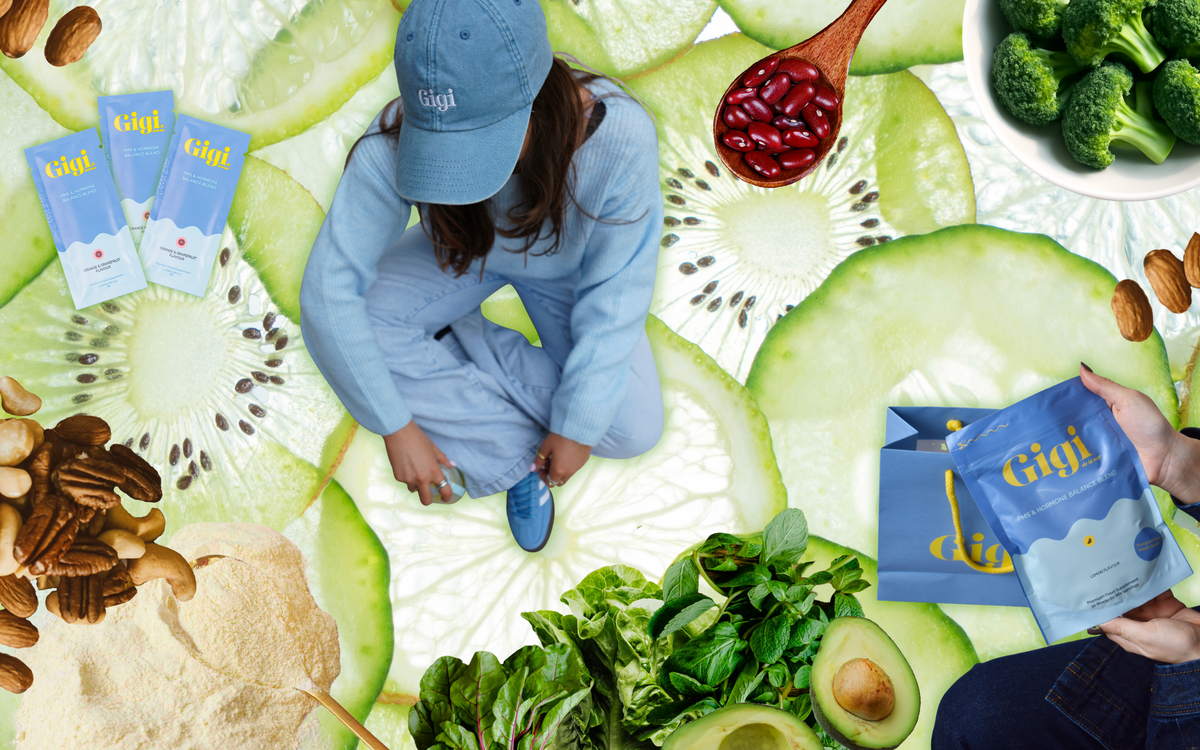
Supporting your skin with the right nutrients can help it better manage hormonal changes, calm pre-period breakouts and support overall wellbeing.
🍊 Vitamin C: supports collagen production and skin healing, while helping reduce inflammation that can trigger breakouts.
☀️ Vitamin D: It plays a big role in helping your skin cells renew and repair, and it’s essential for tissue healing and wound recovery.
🌿 Vitamin E: A powerful antioxidant that protects skin from oxidative stress and supports repair of inflamed skin.
🐟 Omega-3: Reduce inflammation throughout the body and support hormone balance, keeping skin calmer and less prone to flare-ups.
🛡️ Zinc: Has both anti-inflammatory and anti-androgenic properties to help regulate oil production, calm inflammation and speed up healing of breakouts.




 Lisa Hughes
8 min read
Lisa Hughes
8 min read