


Gut Health
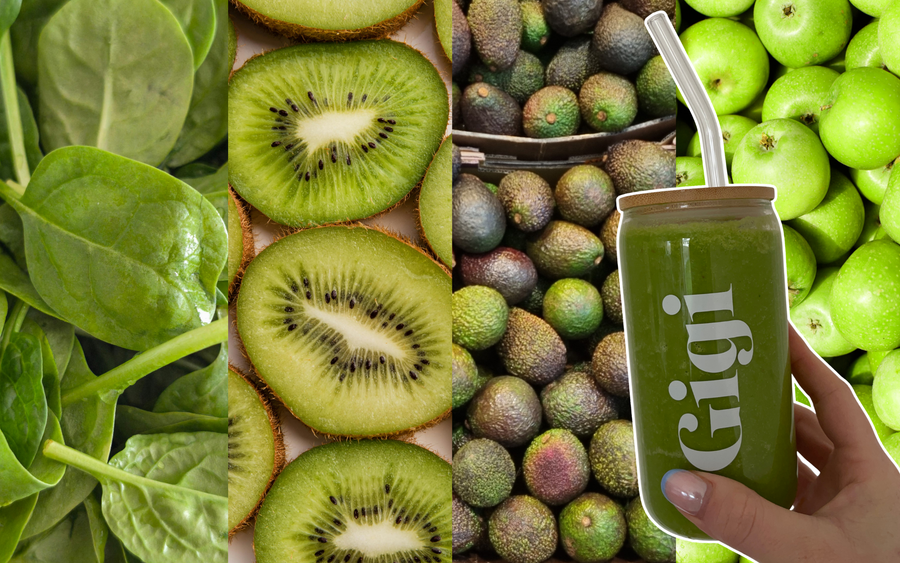
Gigi's Green Glow Smoothie
A refreshing, gut-loving green smoothie packed with fibre, prebiotics, minerals and collagen to support happy hormones and a healthy glow from within ✨
 Lisa Hughes
1 min read
Lisa Hughes
1 min read

The short answer
January often sees a surge in people cutting out meat and animal products as part of a fresh-year health reset. But animal products are actually pretty useful – they’re packed with iron, vitamin B12, calcium and other nutrients your body loves.
So instead of focusing on restriction, let’s think about adding more plant variety. You’ve probably heard it a million times: “Eat your five a day!” Five servings of fruit and vegetables. But recent research is challenging that old advice – and showing that more really can be better. Experts now suggest that aiming for 30 different plant-based foods per week could be the sweet spot for boosting health, longevity and gut happiness.
Yes – 30 is the new 5!
The idea is simple: don’t focus on cutting things out – focus on adding more variety. Instead of stressing over rigid rules or going fully vegan, aim for 30 different plant-based foods per week.
Why? Because variety matters. Different plants bring different nutrients, fibres and plant compounds called polyphenols – and your body (and gut) love it.
Plants are packed with fibre, and not all fibre is created equal. Some of it comes in the form of prebiotics, which act like fuel for the “good” bacteria in your gut.
A diverse intake of plants encourages a thriving microbiome, supporting digestion, immunity and even hormone balance .Fibre also helps keep energy levels steady throughout the day and supports satiety – meaning you feel fuller for longer.
You might have heard nutritionists say, “eat the rainbow”? – and polyphenols are the science behind that phrase. These compounds give fruits and veggies their vibrant colours but they also come with some serious health perks.
Polyphenols help fight inflammation, protect cells from oxidative stress and support healthy blood sugar and cholesterol levels. They also interact with your gut microbiome, encouraging beneficial bacteria and producing bioactive compounds that your body can actually use (Rana et al., 2022).
In short, eating a wide variety of plants naturally boosts your polyphenol intake, giving you antioxidant, anti-inflammatory and metabolic benefits.
Plant-based foods can be a powerful tool to support female hormonal health. The Mediterranean diet is packed with plant-based foods and is often recommended for fertility, PCOS and skin health.
The gut-microbiome is also connected to so many systems in our body from hormones and digestion to skin health and even mental wellbeing.
In short, eating a wide variety of plant-based foods is more than just gut-friendly – it’s a simple, natural way to support hormones, stabilise energy and promote overall female health.
Some powerful benefits:
It’s as simple as eating up to 30 different plants in a 7 day period. Each plant only counts once per week – but if you love blueberries and eat them every day, absolutely keep doing that! They’ll just count as one of your 30.
Plants include all fruits and vegetables, plus:
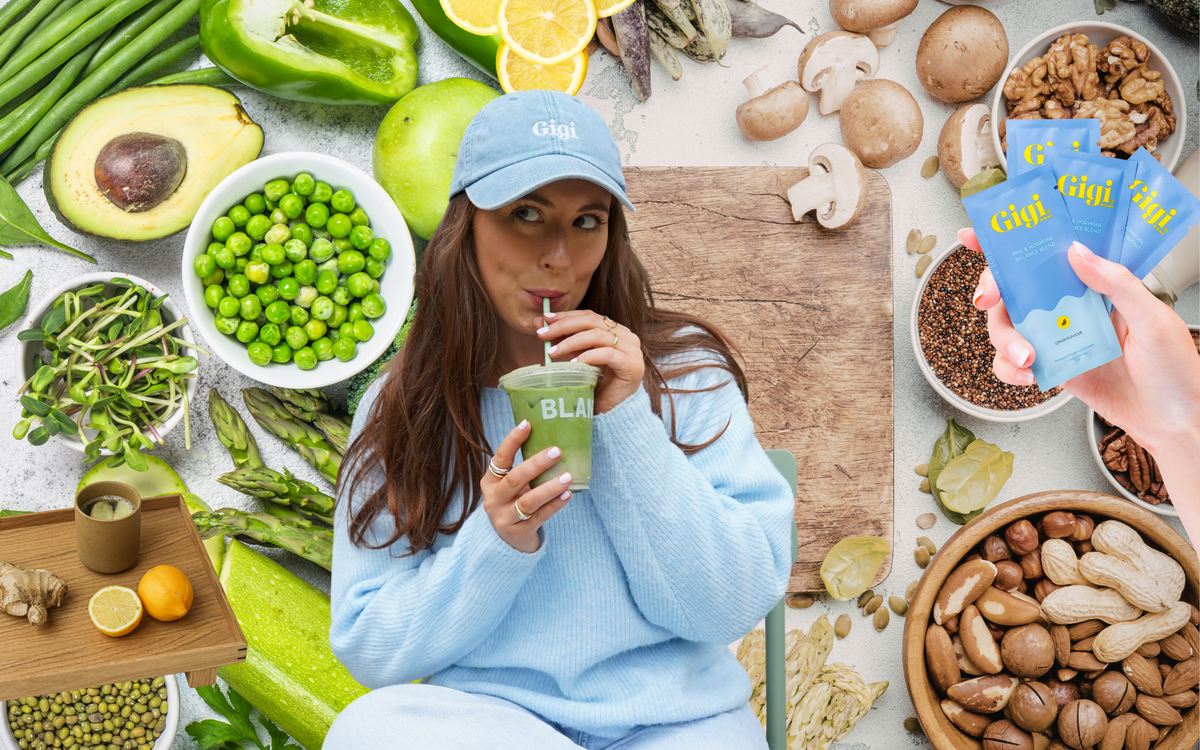
Cashews, almonds, hazelnuts, Brazil nuts, walnuts, pistachios, pine nuts, pecans, pumpkin seeds, chia seeds, sesame seeds, sunflower seeds, hemp seeds, flaxseeds, oats, brown rice, rye, quinoa, buckwheat, bulgur wheat, wholewheat.
Chickpeas, lentils, kidney beans, butter beans, broad beans, black beans, soybeans (edamame), green beans, pinto beans, peas, mung beans, split peas, cannellini beans, fava beans.
Spinach, rocket, kale, lettuce, cabbage, broccoli, cauliflower, Brussels sprouts, parsnips, turnips, carrots, fennel, celery, cucumber, tomatoes, aubergine, courgette, asparagus, artichokes, onion, beetroot, mushrooms, pumpkin, sweet potato, peppers, apples, bananas, berries, peaches, apricots, plums, melons, pineapple, oranges, lemons, kiwis, avocado, rhubarb, figs.
Basil, oregano, parsley, mint, thyme, tarragon, dill, chives, rosemary, sage, coriander, fennel, ginger, turmeric, saffron, cinnamon, cumin, cardamom, pepper, chilli, cloves, paprika, nutmeg, lemongrass.
(You don’t need to eat all of these — they’re just inspiration!)
Health isn’t about cutting foods out – it’s about nourishing your body in a way that works for you. You don’t need to overhaul your diet overnight. Start by adding one or two new plants a week and build from there. Small changes really do add up.
Rana, A., Samtiya, M., Dhewa, T., Mishra, V., & Aluko, R. E. (2022). Health benefits of polyphenols: A concise review. Journal of Food Biochemistry, 46(10), e14264. https://doi.org/10.1111/jfbc.14264
Gut Health
A refreshing, gut-loving green smoothie packed with fibre, prebiotics, minerals and collagen to support happy hormones and a healthy glow from within ✨
Lisa Hughes
1 min read
Gut Health
Not all processed foods are bad! Some are essential for safety, nutrition and convenience – like pasteurised milk, canned beans or fortified staples. The real issue...
Lisa Hughes
4 min read
Gut Health
Fibre is more than just a digestion booster — it plays a key role in gut health, hormone balance, heart health, and even fertility. Despite its...
Lisa Hughes
7 min read